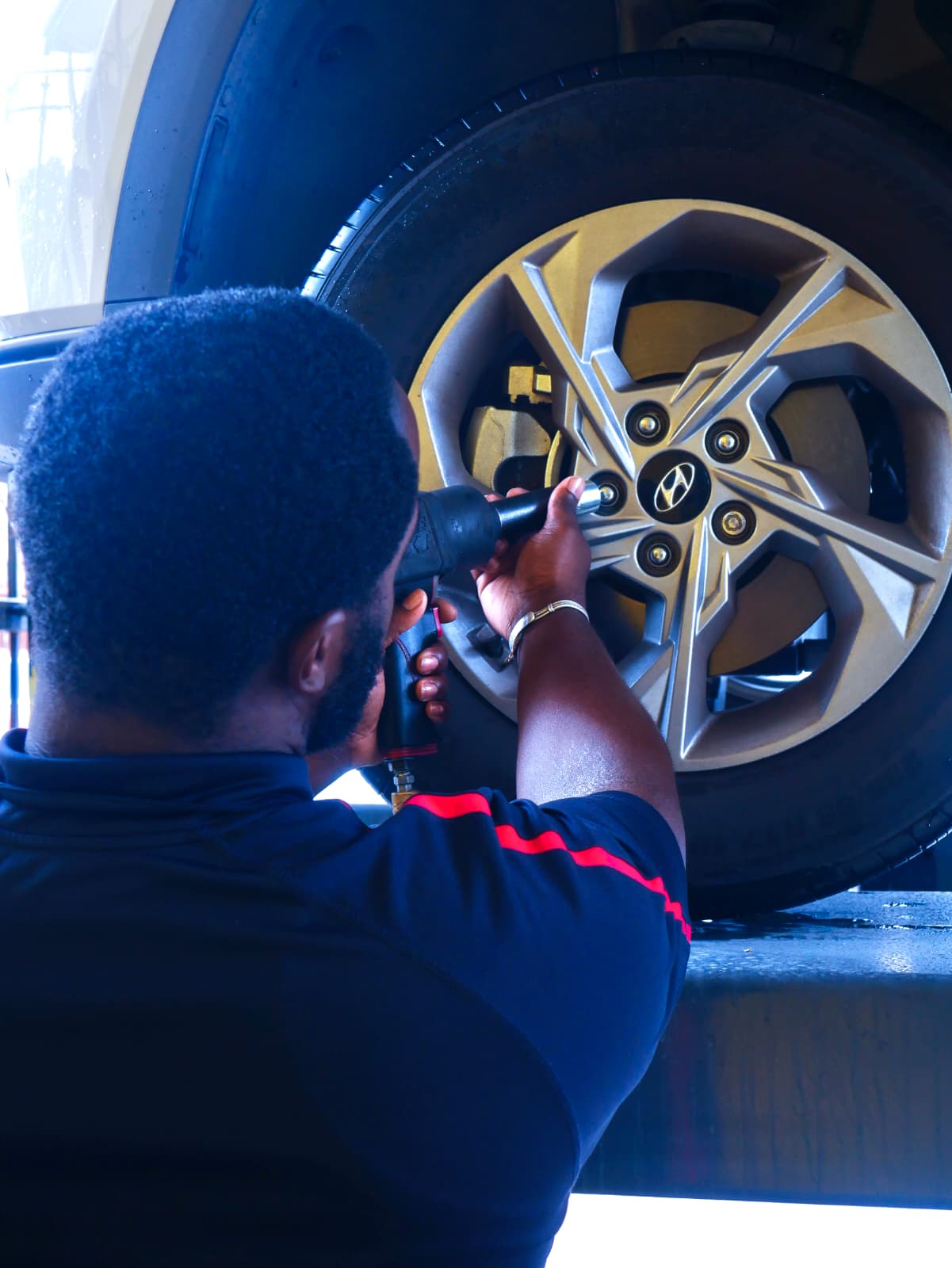
Tire Maintenance 101: Extend Life and Improve Safety
Maintenance

Tire Maintenance 101: Extend Life and Improve Safety

11/5/2024
11 min read
By Snappee Auto Care Team

Tire Maintenance 101: Extend Life and Improve Safety


Your tires are the only contact between your vehicle and the road. Proper tire maintenance ensures safety, improves fuel economy, and saves money by extending tire life.


Why Tire Maintenance Matters


Safety: Worn or improperly maintained tires contribute to:

  • 11,000+ crashes annually
  • Reduced braking performance
  • Poor handling in wet conditions
  • Increased risk of blowouts

  • Cost Savings:

  • Proper maintenance extends tire life by 25-50%
  • Correct pressure improves fuel economy by up to 3%
  • Prevents uneven wear requiring early replacement

  • The Four Pillars of Tire Maintenance


    1. Tire Pressure


    Why It Matters:

  • Underinflation causes overheating and blowouts
  • Overinflation reduces traction and causes center wear
  • Affects fuel economy, handling, and tire life

  • How to Check:

    1. Check when tires are cold (before driving or 3+ hours after)

    2. Use a reliable tire pressure gauge

    3. Compare to door placard (not sidewall) recommendation

    4. Adjust as needed

    5. Don't forget the spare!


    How Often: Weekly, and before long trips


    Proper Pressure:

  • Find specs on driver's door jamb sticker
  • Front and rear pressures may differ
  • Adjust for load if carrying heavy cargo
  • Add 3-5 PSI in winter (cold air decreases pressure)

  • Pro Tip: For every 10°F temperature change, tire pressure changes about 1 PSI.


    2. Tread Depth


    Why It Matters:

  • Shallow tread can't evacuate water (hydroplaning risk)
  • Reduces traction in wet/snowy conditions
  • Legal minimum in Texas: 2/32"
  • Safety recommendation: Replace at 4/32"

  • How to Check - The Penny Test:

    1. Insert penny into tread groove (Lincoln's head down)

    2. If you can see the top of Lincoln's head, replace tires

    3. Check multiple spots across tire

    4. Check all four tires


    Better Test - The Quarter Method:

  • Use a quarter instead (Washington's head down)
  • If you see the top of Washington's head, start shopping for tires
  • This gives you time to plan for replacement

  • Tread Depth Guidelines:

  • 10/32" - 11/32": New tires
  • 6/32" - 7/32": Good condition
  • 4/32" - 5/32": Consider replacement soon
  • 2/32" - 3/32": Replace immediately
  • Below 2/32": Illegal and dangerous

  • 3. Tire Rotation


    Why It Matters:

  • Promotes even wear across all four tires
  • Extends tire life significantly
  • Improves handling and safety
  • Maintains warranty coverage

  • How Often: Every 5,000-7,500 miles (usually with oil changes)


    Rotation Patterns:


    Front-Wheel Drive:

  • Front to rear on same side
  • Rear cross to opposite front

  • Rear-Wheel Drive:

  • Rear to front on same side
  • Front cross to opposite rear

  • All-Wheel Drive:

  • Cross pattern (like an X)
  • Follow manufacturer recommendations

  • Benefits of Regular Rotation:

  • Even wear extends tire life by 20-30%
  • Maintains balanced handling
  • Reduces noise and vibration
  • Preserves tire warranty

  • 4. Wheel Alignment


    Why It Matters:

  • Improper alignment causes rapid, uneven tire wear
  • Affects fuel economy
  • Impacts vehicle handling and safety
  • Can damage suspension components

  • Signs You Need Alignment:

  • Vehicle pulls to one side
  • Steering wheel is off-center when driving straight
  • Uneven or rapid tire wear
  • Steering wheel vibration
  • Squealing tires

  • How Often:

  • Every 2-3 years
  • When you notice symptoms
  • After hitting a major pothole or curb
  • When installing new tires
  • If suspension work is performed

  • What's Adjusted:

  • Camber: Inward or outward tilt of tire
  • Toe: Angle pointing in or out when viewed from above
  • Caster: Steering axis tilt forward or backward

  • Additional Tire Care Tips


    Tire Balancing

    What: Ensures weight is evenly distributed around the wheel

    When: When installing new tires or if you feel vibration

    Signs Needed: Vibration at highway speeds, uneven wear


    Visual Inspection

    Check monthly for:

  • Cuts or cracks in sidewalls
  • Bulges or blisters (replace immediately)
  • Objects embedded in tread
  • Uneven wear patterns
  • Valve stem condition

  • Common Wear Patterns and Causes


    Center Wear: Overinflation

    Edge Wear: Underinflation

    One-Side Wear: Alignment issues

    Cupping/Scalloping: Suspension problems or balance issues

    Feathering: Alignment issues, particularly toe


    Temperature Effects


    Summer:

  • Check pressure more frequently
  • Hot pavement increases tire temperature
  • Add 2-3 PSI if carrying heavy loads

  • Winter:

  • Cold air decreases pressure (add air as needed)
  • Consider winter tires if temperatures regularly drop below 45°F
  • Ice and snow require good tread depth

  • When to Replace Tires


    Replace tires if:

  • Tread depth is at 4/32" or less
  • Sidewall is cracked or damaged
  • Tread is separating from tire
  • Tire has bulges or blisters
  • Age exceeds 6 years (even if they look good)
  • After a major impact (have inspected)

  • Tire Age: Check DOT code on sidewall

  • Last 4 digits indicate week and year of manufacture
  • Example: 2319 = 23rd week of 2019
  • Replace tires over 6 years old regardless of appearance

  • Choosing New Tires


    Factors to Consider:

    1. Size: Must match vehicle specifications

    2. Type: All-season, summer, winter, or performance

    3. Speed Rating: Must meet or exceed original equipment

    4. Load Rating: Must support vehicle weight

    5. Tread Life Warranty: Higher usually means longer lasting

    6. Weather Conditions: Consider your typical driving environment


    Quality Matters:

  • Premium tires last longer
  • Better braking performance
  • Improved fuel economy
  • Enhanced safety features
  • Often worth the investment

  • Tire Safety Tips


    Before Every Trip:

  • Visual tire inspection
  • Check pressure if car was sitting
  • Look for obvious damage

  • During Driving:

  • Avoid potholes and road debris
  • Don't hit curbs
  • Reduce speed over speed bumps
  • Avoid quick stops and starts

  • Parking:

  • Turn wheels fully back when parking
  • Avoid parking against curbs (stresses sidewalls)
  • Use sunshade in summer (prevents dry rot)

  • Emergency Tire Situations


    Blowout Response:

    1. Don't brake suddenly

    2. Grip steering wheel firmly

    3. Let vehicle slow naturally

    4. Gently guide to roadside

    5. Apply brakes only when very slow


    Flat Tire:

  • Pull over safely
  • Turn on hazards
  • Use spare if able
  • Call for help if needed
  • Don't drive on flat tire

  • Professional Tire Services at Snappee Auto Care


    We offer comprehensive tire services:

  • Free Tire Inspection
  • Tire Rotation
  • Wheel Balancing
  • Wheel Alignment
  • New Tire Installation
  • Tire Repair
  • TPMS Service

  • Why Choose Snappee Auto Care?


    33+ years of experience

    Latest alignment equipment

    Quality tire brands at competitive prices

    Professional technicians

    Warranty on all work

    Honest, transparent service


    Special Tire Offer


    Mention this article and receive:

  • Free tire inspection
  • 10% off tire rotation
  • Complimentary tire pressure adjustment

  • Valid through end of month


    Schedule Your Tire Service Today


    Don't wait for a problem:

  • Call: (214) 956-8040
  • Book Online: snappeeautocare.com
  • Visit: 5111 W. Lovers Lane, Dallas, TX

  • Monday-Friday: 7 AM - 6 PM

    Saturday: 8 AM - 4 PM


    Remember: Well-maintained tires keep you safe, save money, and provide peace of mind. Trust Snappee Auto Care for all your tire needs!


    tires
    maintenance
    safety
    tire rotation
    alignment

    Need Help With Your Vehicle?

    Our expert technicians are ready to help. Call us today or schedule your appointment online.

    Related Articles