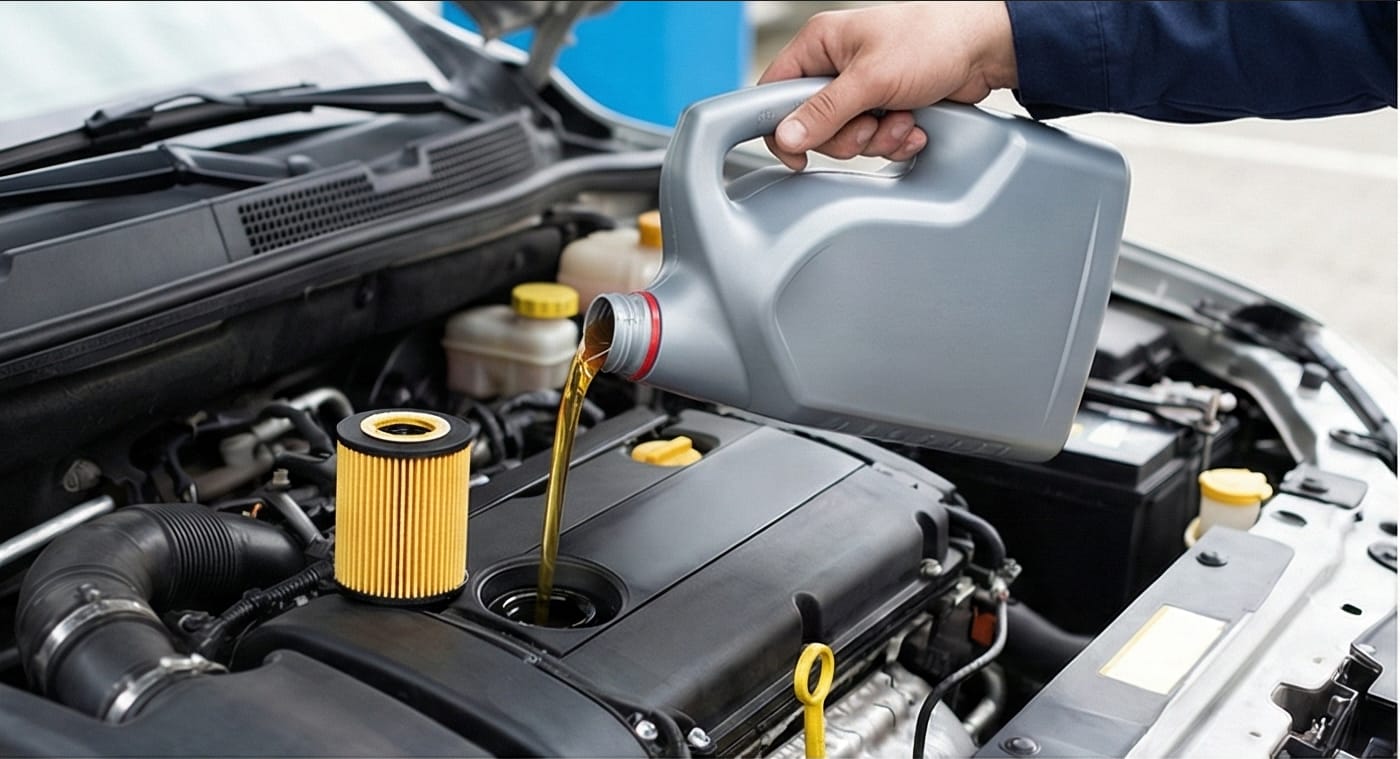
The Complete Guide to Oil Changes: Why, When, and How
Maintenance

The Complete Guide to Oil Changes: Why, When, and How

11/20/2024
8 min read
By Snappee Auto Care Team

The Complete Guide to Oil Changes: Why, When, and How


Regular oil changes are the single most important maintenance task for keeping your engine healthy and running smoothly for years to come.


Why Oil Changes Matter


Engine oil serves three critical functions:

  • Lubrication: Reduces friction between moving parts
  • Cooling: Carries heat away from the combustion chamber
  • Cleaning: Suspends contaminants and prevents sludge buildup

  • Over time, oil breaks down and becomes contaminated with dirt, metal particles, and combustion byproducts. Old oil can't protect your engine effectively.


    How Often Should You Change Your Oil?


    The old "3,000-mile rule" is outdated for most modern vehicles. Today's recommendations vary:


    Conventional Oil

  • Change every 3,000-5,000 miles
  • Best for older vehicles or severe driving conditions
  • More frequent changes needed in extreme temperatures

  • Synthetic Blend

  • Change every 5,000-7,500 miles
  • Good balance of protection and value
  • Better performance in temperature extremes

  • Full Synthetic Oil

  • Change every 7,500-15,000 miles
  • Best protection for your engine
  • Optimal for high-performance and turbocharged engines
  • Better flow in cold weather

  • Severe Driving Conditions


    You may need more frequent oil changes if you:

  • Make frequent short trips (less than 5 miles)
  • Drive in stop-and-go traffic regularly
  • Tow heavy loads
  • Drive in extreme temperatures
  • Drive on dusty or dirt roads

  • Signs You Need an Oil Change Now


    1. Dark, Dirty Oil: Fresh oil is amber-colored; old oil is dark brown or black

    2. Oil Change Light: Your vehicle's monitoring system is sophisticated - trust it

    3. Engine Noise: Increased engine noise or knocking indicates insufficient lubrication

    4. Oil Smell Inside: Could indicate an oil leak

    5. Excessive Exhaust Smoke: Blue smoke suggests burning oil


    What Happens During an Oil Change


    A complete oil change service should include:

    1. Draining old oil completely

    2. Replacing the oil filter

    3. Installing the correct amount of fresh oil

    4. Checking all fluid levels

    5. Inspecting for leaks

    6. Resetting the oil life monitor

    7. Multi-point inspection


    Choosing the Right Oil


    Always follow your vehicle manufacturer's recommendations for:

  • Oil viscosity (e.g., 5W-30, 10W-40)
  • Oil type (conventional, synthetic, etc.)
  • Oil certification (API rating)

  • The Cost of Skipping Oil Changes


    Neglecting oil changes can lead to:

  • Sludge buildup - restricts oil flow
  • Increased friction - accelerates wear
  • Overheating - can warp engine components
  • Complete engine failure - requiring replacement ($3,000-$8,000+)

  • DIY vs. Professional Service


    While DIY oil changes can save money, professional service offers:

  • Proper disposal of old oil
  • Multi-point inspection
  • Access to quality filters and oils
  • Warranty protection
  • Detection of potential problems

  • Snappee Auto Care Oil Change Service


    We offer fast, affordable oil changes with:

  • Premium synthetic or conventional oil options
  • High-quality oil filters
  • Complimentary multi-point inspection
  • Fluid top-offs
  • Tire pressure check
  • 30-minute or less service time
  • Competitive pricing starting at just $39.99

  • Schedule your oil change today! Call (214) 956-8040 or book online.


    Remember: A small investment in regular oil changes can save you thousands in major engine repairs. Don't wait - your engine depends on it!


    oil change
    maintenance
    engine care
    preventive maintenance

    Need Help With Your Vehicle?

    Our expert technicians are ready to help. Call us today or schedule your appointment online.

    Related Articles