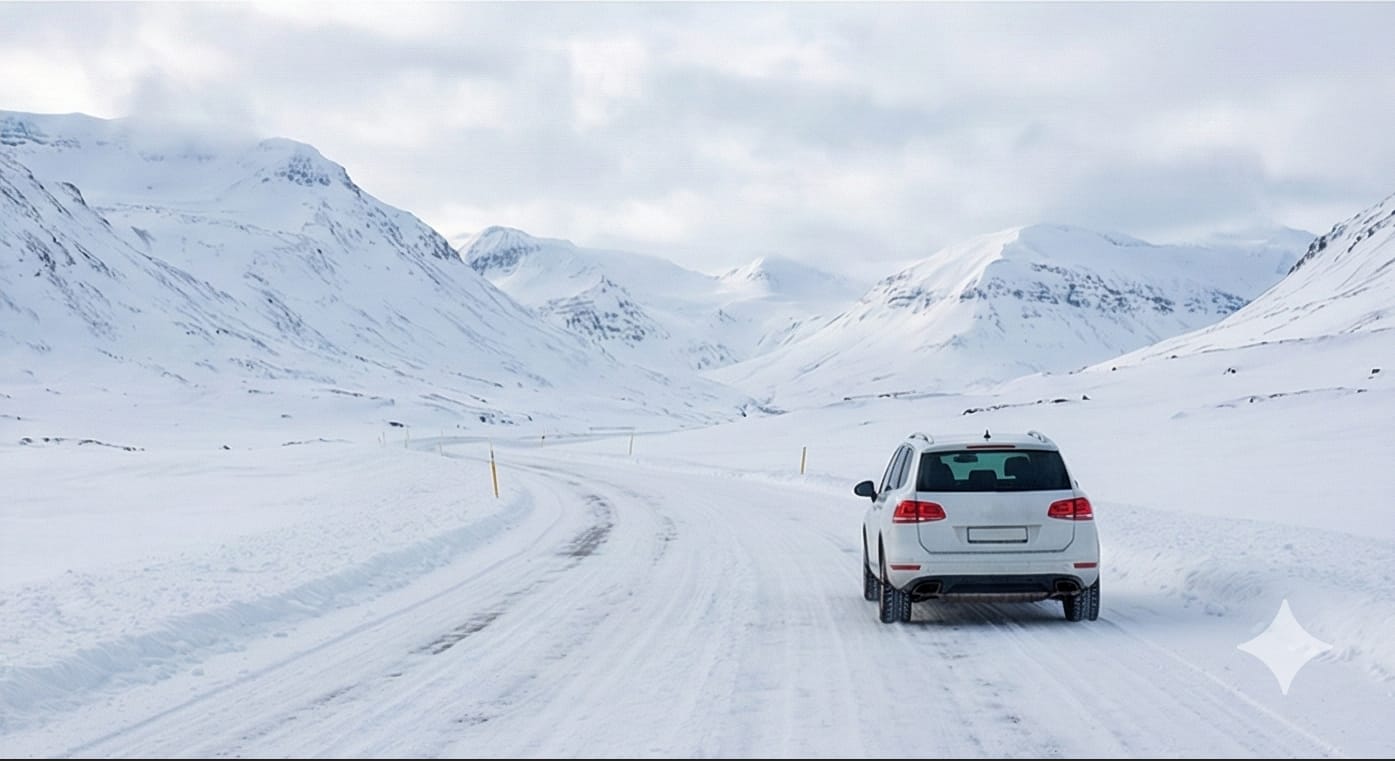
How to Prepare Your Vehicle for Winter
Seasonal

How to Prepare Your Vehicle for Winter

12/8/2024
12 min read
By Snappee Auto Care Team

How to Prepare Your Vehicle for Winter


Winter weather presents unique challenges for your vehicle. Cold temperatures, ice, snow, and road salt can affect everything from your battery to your tires. Proper winterization ensures your vehicle starts reliably, handles safely, and protects you from breakdowns during the coldest months.


Why Winter Preparation Matters


Winter conditions stress your vehicle in ways summer heat never does:

  • Cold temperatures drain battery power
  • Ice and snow reduce traction and visibility
  • Road salt accelerates corrosion
  • Shorter days mean more driving in darkness
  • Freezing temperatures affect fluids and rubber components

  • A well-prepared vehicle keeps you safe and prevents costly cold-weather breakdowns.


    Essential Winter Vehicle Preparation


    1. Battery Testing and Service


    Cold weather is the number one cause of battery failure.


    Why Batteries Fail in Winter:

  • Cold reduces battery capacity by up to 50%
  • Engine oil thickens, requiring more power to start
  • Weak batteries that work in summer fail in winter

  • What to Do:

  • Have battery tested (free at most shops)
  • Replace battery if 3+ years old
  • Clean corrosion from terminals
  • Ensure connections are tight
  • Consider battery blanket in extreme cold

  • Warning Signs:

  • Slow engine cranking
  • Dim headlights
  • Dashboard warning light
  • Age over 3 years

  • Pro Tip: Most batteries fail within 2 years of showing first symptoms. Don't wait!


    2. Check Your Antifreeze/Coolant


    Coolant prevents freezing and protects against corrosion.


    Coolant Maintenance:

  • Test freeze point (should protect to -35°F minimum)
  • Check coolant level when engine is cold
  • Look for leaks or rust color
  • Inspect hoses for cracks or soft spots
  • Flush and replace if over 2 years old

  • Proper Mixture:

  • 50/50 antifreeze to water ratio is standard
  • Protects to approximately -35°F
  • Never use pure antifreeze or pure water
  • Use manufacturer-recommended coolant type

  • Danger Signs:

  • Sweet smell (coolant leak)
  • Overheating in cold weather
  • Rust-colored coolant
  • Low coolant level

  • 3. Winter Tires and Tire Maintenance


    Your tires are your only contact with icy, snowy roads.


    Winter Tire Considerations:

  • All-season tires: Work for mild winters
  • Winter/snow tires: Best for regular snow/ice
  • Studded tires: For severe ice conditions (check local laws)

  • Tire Pressure in Cold Weather:

  • Tires lose 1 PSI for every 10°F temperature drop
  • Check pressure weekly in winter
  • Check when tires are cold
  • Maintain manufacturer-recommended pressure
  • Don't forget the spare!

  • Tread Depth:

  • Minimum safe depth: 4/32" for winter
  • Replace if tread is worn
  • Winter tires have deeper grooves
  • Check for uneven wear patterns

  • Winter Tire Tips:

  • Install all four winter tires, not just two
  • Switch to winter tires when temps consistently drop below 45°F
  • Store summer/all-season tires properly
  • Consider tire chains for extreme conditions

  • 4. Windshield Wipers and Washer Fluid


    Clear visibility is crucial in winter weather.


    Wiper Blade Maintenance:

  • Replace if streaking, skipping, or torn
  • Consider winter wiper blades (heavier, ice-resistant)
  • Clean blades regularly
  • Never use wipers on frozen windshield
  • Lift wipers when parked in snow/ice

  • Washer Fluid:

  • Use winter-formula washer fluid
  • Choose fluid rated to -20°F or colder
  • Keep reservoir full
  • Never use water (it freezes!)
  • Check spray nozzles aren't clogged

  • Windshield Care:

  • Repair chips before they crack from cold
  • Replace cracked windshields
  • Keep ice scraper in vehicle
  • Use de-icer spray for stubborn ice
  • Never pour hot water on frozen glass

  • 5. Check All Fluids


    Winter affects all your vehicle's fluids.


    Engine Oil:

  • Cold temperatures thicken oil
  • Consider switching to winter-weight oil
  • Check owner's manual for recommendations
  • Common winter weights: 5W-30, 0W-20
  • Change oil before winter if due soon

  • Other Critical Fluids:

  • Transmission fluid: Should be red/pink and full
  • Brake fluid: Check level and color
  • Power steering fluid: Top off if low
  • Differential fluid: Especially for 4WD/AWD vehicles

  • 6. Inspect Belts and Hoses


    Rubber components deteriorate faster in temperature extremes.


    What to Check:

  • Belts: Look for cracks, fraying, glazing
  • Hoses: Check for soft spots, bulges, leaks
  • Clamps: Ensure tight connections
  • Age: Replace if 4-5 years old

  • Why It Matters:

  • Cold makes rubber brittle
  • Belt failure strands you in freezing weather
  • Coolant hose failure causes overheating
  • Prevention is cheaper than roadside failure

  • 7. Test Your Heating and Defrost System


    A working heater isn't just comfort—it's safety.


    Heating System Check:

  • Test heater output temperature
  • Check all vents blow warm air
  • Listen for unusual noises
  • Replace cabin air filter
  • Verify defrost works on windshield

  • Defrost Troubleshooting:

  • Weak defrost may indicate coolant level low
  • Clogged cabin filter reduces airflow
  • Thermostat issues affect heating
  • Have professional inspection if problems persist

  • 8. Lighting and Electrical Systems


    Winter's shorter days mean more driving in darkness.


    Lighting Check:

  • Test all headlights (low and high beam)
  • Check brake lights and turn signals
  • Verify backup lights work
  • Test emergency flashers
  • Replace any burned-out bulbs

  • Additional Tips:

  • Clean headlight lenses (foggy lenses reduce output)
  • Consider brighter bulbs for better visibility
  • Check that all dashboard lights function
  • Test interior lights and dome light

  • 9. Braking System Inspection


    Winter driving demands reliable brakes.


    What to Inspect:

  • Brake pad thickness (minimum 4mm)
  • Rotor condition
  • Brake fluid level and color
  • Any unusual noises or vibrations
  • Parking brake operation

  • Winter Braking Tips:

  • Test brakes in empty parking lot
  • Learn how ABS feels (pulsing pedal is normal)
  • Increase following distance in winter
  • Brake gently on ice and snow
  • Avoid sudden braking

  • 10. Four-Wheel Drive and All-Wheel Drive Systems


    If equipped, ensure 4WD/AWD systems function properly.


    4WD/AWD Maintenance:

  • Test system before winter weather arrives
  • Check transfer case fluid level
  • Inspect CV joints and boots
  • Verify all components engage properly
  • Read owner's manual for proper use

  • Using 4WD Correctly:

  • Don't use 4WD on dry pavement
  • Understand 2WD vs. 4WD High vs. 4WD Low
  • 4WD doesn't help you stop faster
  • Still need winter tires for best traction

  • Winter Emergency Kit


    Keep these items in your vehicle:


    Essential Items:

  • Ice scraper and snow brush
  • Jumper cables or jump starter
  • Flashlight with extra batteries
  • First aid kit
  • Warm blankets or sleeping bag
  • Extra winter clothing (coat, gloves, hat, boots)
  • Non-perishable snacks and water
  • Phone charger (car adapter)

  • Additional Recommended Items:

  • Small shovel
  • Bag of sand or cat litter (for traction)
  • Tire chains (if applicable)
  • Road flares or reflective triangles
  • Basic tool kit
  • Duct tape
  • Tow strap

  • Winter Driving Preparedness


    Before You Drive:

  • Clear ALL snow and ice from vehicle
  • Don't just make a "peephole" in windshield
  • Remove snow from roof (prevents flying off)
  • Clear lights, mirrors, and windows
  • Let engine warm up briefly (30-60 seconds)

  • Driving in Winter Conditions:

  • Reduce speed appropriately
  • Increase following distance (8-10 seconds)
  • Brake gently and early
  • Avoid sudden maneuvers
  • Use lower gears on hills
  • Never use cruise control in snow/ice

  • If You Get Stuck:

  • Don't spin tires excessively
  • Try rocking vehicle (forward/reverse gently)
  • Use sand, cat litter, or floor mats for traction
  • Clear snow from around tires
  • Call for help if unable to free vehicle

  • Protecting Your Vehicle from Winter


    Prevent Rust and Corrosion


    Road salt accelerates rust formation.


    Protection Steps:

  • Wash vehicle regularly (especially undercarriage)
  • Apply rust protection treatment
  • Wax exterior before winter
  • Clean salt residue promptly
  • Check for paint chips and touch up

  • Fuel System Care


    Keep Tank at Least Half Full:

  • Prevents fuel line freeze-up
  • Provides weight for better traction
  • Ensures you have fuel if stranded
  • Prevents condensation in tank

  • Fuel Additives:

  • Consider fuel line antifreeze if needed
  • Use fuel stabilizer for stored vehicles
  • Keep emergency gas can if living in remote area

  • Battery Maintenance


    Extend Battery Life:

  • Keep battery terminals clean
  • Limit short trips (alternator needs time to recharge)
  • Turn off lights and accessories when stopped
  • Consider trickle charger for infrequently driven vehicles

  • Interior Protection


    Keep Interior Dry:

  • Use all-weather floor mats
  • Shake out snow before entering
  • Use seat covers if needed
  • Address leaks immediately
  • Keep towels handy for wet conditions

  • When to See a Professional


    Schedule professional service if you notice:

  • Difficult starting in cold weather
  • Unusual noises when starting
  • Heater not working properly
  • Strange smells
  • Dashboard warning lights
  • Any concerns about winter readiness

  • Snappee Auto Care Winter Inspection


    Prepare for winter with our comprehensive winterization service:


    Winter-Ready Inspection Includes:

  • ✓ Battery load test
  • ✓ Antifreeze freeze point test
  • ✓ Tire tread depth and pressure check
  • ✓ Wiper blade inspection
  • ✓ Heating/defrost system test
  • ✓ Brake system inspection
  • ✓ Fluid level verification
  • ✓ Belt and hose inspection
  • ✓ Lighting system check
  • ✓ Multi-point safety inspection

  • Winterization Package: $89.99

    Schedule now and drive with confidence all winter long!


    Don't Wait for Cold Weather


    The best time to winterize your vehicle is before winter arrives. Waiting until the first freeze means:

  • Longer wait times at repair shops
  • Possible unavailability of parts
  • Risk of being caught unprepared
  • Potential breakdown in dangerous conditions

  • Schedule your winter preparation service today!


    Contact Snappee Auto Care


    Get your vehicle winter-ready:

  • Call: (214) 956-8040
  • Book online: snappeeautocare.com
  • Visit: 5111 W. Lovers Lane, Dallas, TX 75209

  • Monday-Friday: 8 AM - 5 PM


    Remember: An hour of preparation prevents hours of winter breakdown misery. Let Snappee Auto Care ensure your vehicle is ready for whatever winter brings!


    winter
    maintenance
    seasonal
    winterization
    cold weather
    safety

    Need Help With Your Vehicle?

    Our expert technicians are ready to help. Call us today or schedule your appointment online.

    Related Articles